

11.09.2026
From a Classical Massage Course to an NPK Massage Therapist Qualification
Classical massage is one of the most well-known massage techniques and an important foundation for further learning of various massage techniques, as well as for the work of every professional massage therapist. It has a long tradition, and its techniques are still used today as a foundation for professional massage therapy practice.
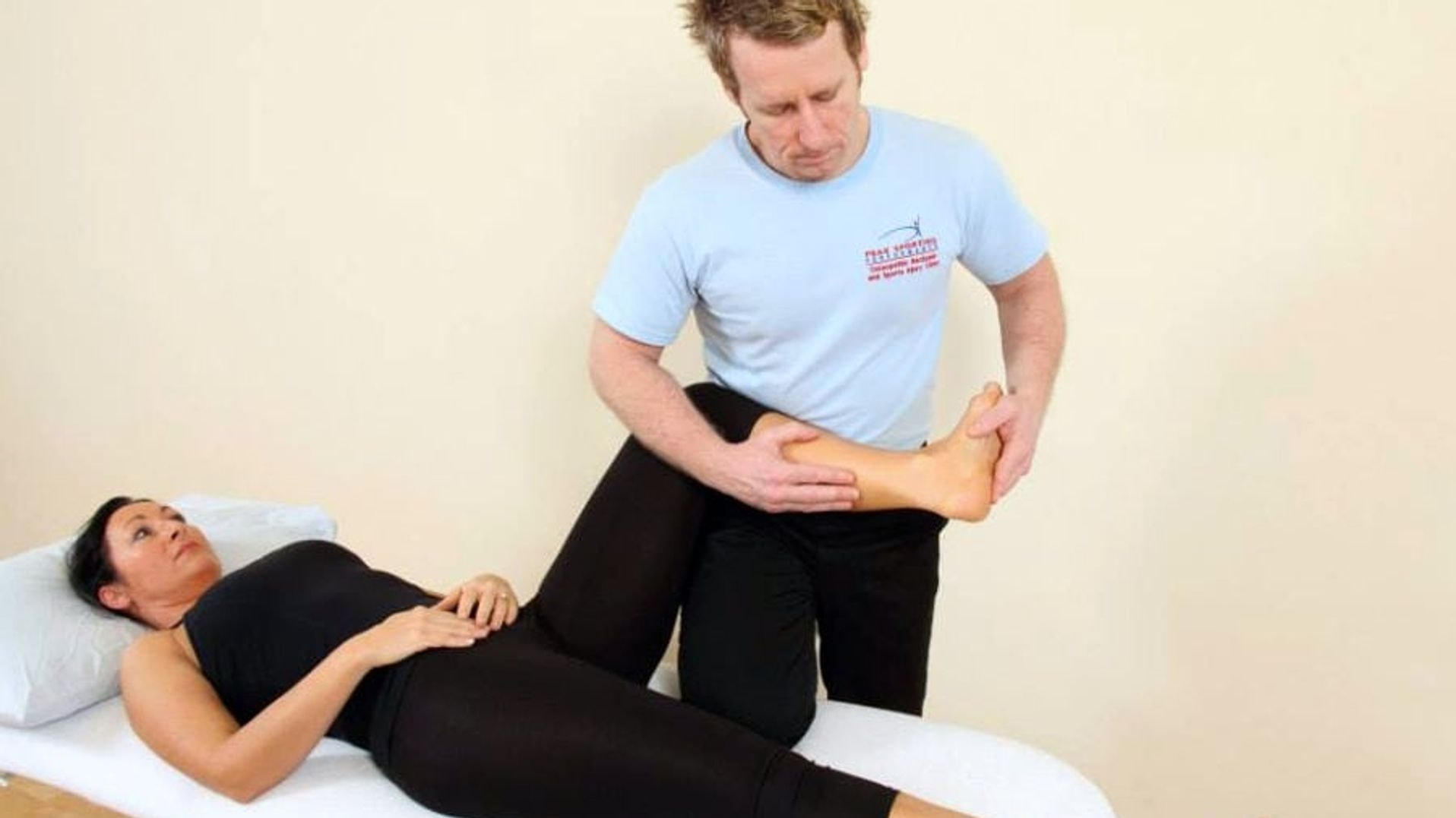
Classical Massage of the Entire Body, Lasting Approximately 45 Minutes
Classical massage is a full-body massage that usually lasts approximately 45 minutes. Various massage techniques are used during the treatment, including effleurage, kneading, rubbing, percussion and shaking.
The Swede Per Henrik Ling (1776–1839) is considered the founder of modern, or classical, massage. He developed the technique that is still known today as Swedish massage. In doing so, he combined his knowledge of physiology and gymnastics with his knowledge of Chinese, Greek, Roman and Egyptian techniques. In 1813, he founded the first school in Stockholm where massage was also included in the curriculum.
Effects of Classical Massage
Classical massage has physical and psychological effects. Through various massage techniques, it affects the skin, skeletal muscles, blood circulation, lymph flow, joints and ligaments, subcutaneous fatty tissue, and the nervous system. Massage also contributes to psychological well-being and promotes relaxation. For this reason, classical massage remains one of the fundamental techniques that every professional massage therapist should know and master.
Classical Massage Course at Higeja
At Higeja – School for Massage Therapists and Therapists, we traditionally offer a classical massage course. The programme includes professional theoretical content, practical training, and an assessment of acquired knowledge. The course is intended for anyone who wishes to gain high-quality knowledge of classical massage – either to expand their existing skills or as a step towards pursuing a career as a massage therapist.
From the Course to an NPK Massage Therapist Qualification
The classical massage course at Higeja includes content required for obtaining the National Vocational Qualification (NPK) for Massage Therapist. After completing the classical massage course, you can further develop your knowledge and continue with the process of obtaining the NPK Massage Therapist qualification.
At Higeja, we offer you the complete process of obtaining the NPK Massage Therapist qualification – all in one place. From the first step and acquiring practical knowledge to obtaining the professional qualification, we support you throughout your journey towards a career as a massage therapist.